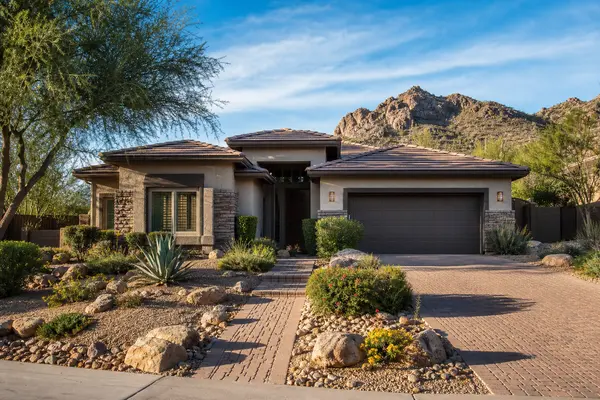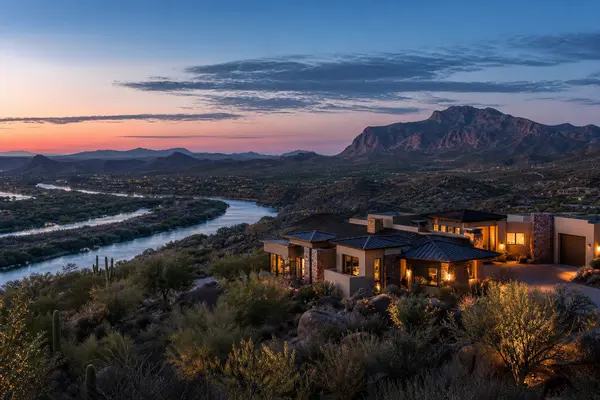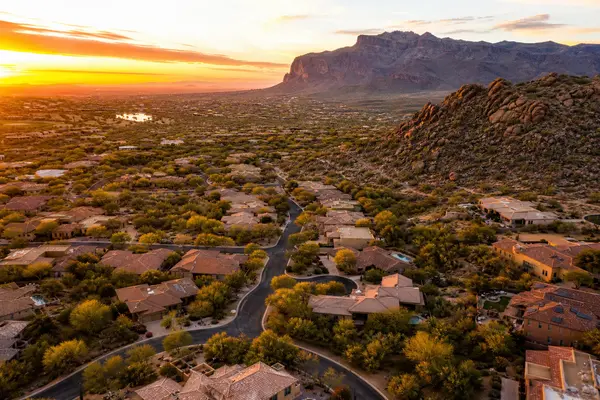
Living in Mesa’s Citrus Corridor: Historic Groves, Custom Homes & Arizona Charm
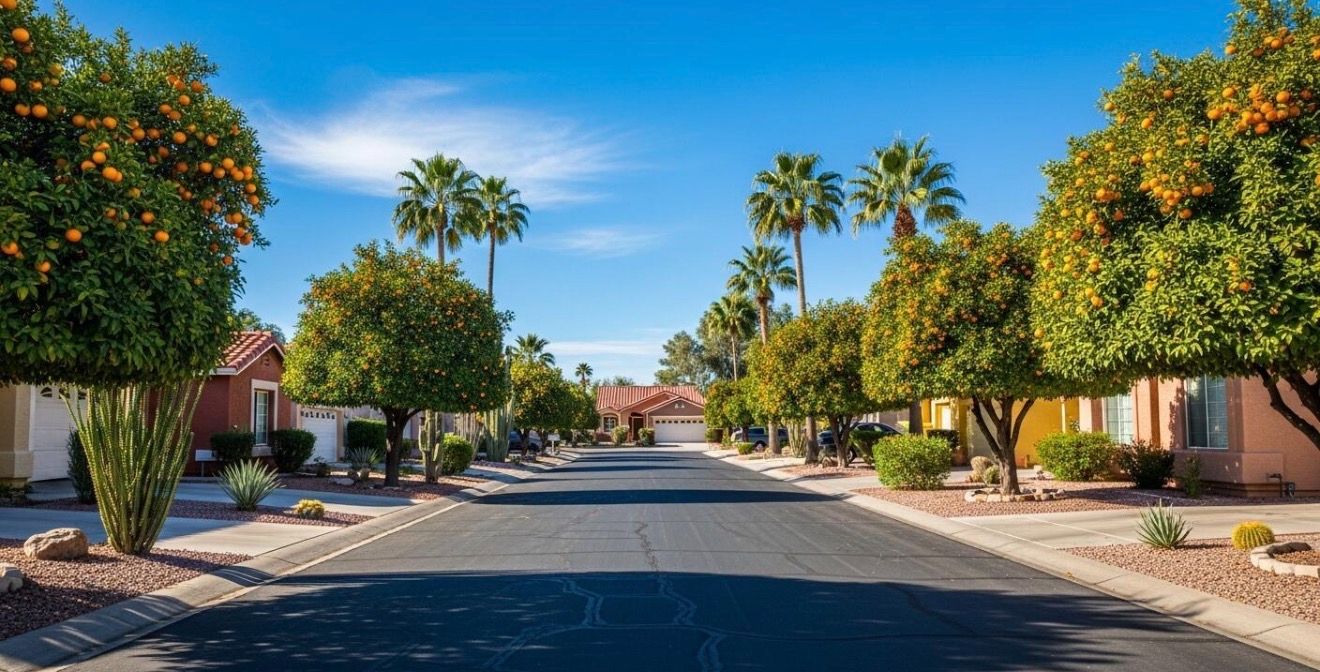
Living in Mesa’s Citrus Corridor: Historic Groves, Custom Homes & Arizona Charm
There’s something special about a neighborhood where the trees have been growing longer than many of the homes have been standing.
If you grew up in Mesa like I did, you remember a time when citrus groves were part of everyday life. Before all the shopping centers, master-planned communities, and busy streets, stretches of Mesa were filled with orange, grapefruit, and lemon trees.
And while Mesa has grown tremendously, there’s still a beautiful part of our city where that agricultural history continues to shape the neighborhoods.
Welcome to Mesa’s Citrus Corridor, where Arizona’s agricultural roots meet custom homes, mature landscaping, and a lifestyle that’s becoming harder to find.
Where Is Mesa’s Citrus Corridor?
Mesa’s designated Citrus Sub-Area is located in northeast Mesa, generally between 32nd Street and the Roosevelt Water Conservation District (RWCD) Canal, from Thomas Road to Adobe Street.
This isn’t your typical master-planned community. The area is known for its spacious residential properties, mature citrus trees, custom homes, and distinctive rural character.
While newer communities often feature smaller lots and carefully coordinated streetscapes, Mesa’s Citrus Corridor offers something different: established neighborhoods with individuality, greenery, and a connection to the city’s past.
For buyers looking for a little more space without leaving Mesa, it’s an area worth exploring.
Mesa’s Citrus History Goes Back More Than 130 Years
Here’s something you might not know. Mesa’s first citrus orchard was planted in 1892 by Amanda Pritchard — long before Mesa became the city of more than half a million residents we know today.
Agriculture was central to Mesa’s early development. Irrigation systems brought water to the desert, allowing farmers to cultivate citrus orchards and other crops across the East Valley. Citrus became an important part of Mesa’s economy and identity.
As the city expanded, many agricultural properties were converted into residential neighborhoods, commercial developments, and roadways. But some of the citrus groves survived, and their influence can still be seen throughout northeast Mesa.
Today, mature orange, grapefruit, and lemon trees remain part of the landscape, connecting modern homeowners to more than a century of local history.
A Neighborhood Worth Preserving
One of the things I appreciate most about the Citrus Corridor is that its character has been recognized as something worth protecting. The City of Mesa adopted a Citrus Sub-Area Plan to help preserve the area’s rural citrus character while guiding compatible residential development.
The plan reflects the importance of maintaining those distinctive qualities as Mesa continues to grow. Of course, buyers should always verify the zoning, land-use regulations, and development possibilities for an individual property.
What Makes Homes in Mesa’s Citrus Corridor Different?
When people think about Arizona real estate, they often picture desert landscaping, stucco homes, and newer subdivisions. But the Citrus Corridor offers another side of Arizona living.
Larger residential lots
Many properties offer more outdoor space than buyers might find in newer subdivisions. Depending on the home, that can mean room for a pool, outdoor entertaining, gardening, or simply enjoying more privacy.
Custom homes and architectural variety
You’ll find properties with different designs, layouts, and personalities rather than an entire neighborhood built from a handful of floor plans.
Mature citrus trees
There’s something wonderful about walking into your backyard and picking fresh fruit during Arizona’s citrus season.
Established landscaping
Large trees, greenery, and mature gardens give these neighborhoods a character that takes decades to create.
A connection to Mesa’s history
These properties reflect a chapter of Mesa that existed long before the East Valley became one of the fastest-growing parts of metropolitan Phoenix. And for buyers who appreciate individuality, that can be a major part of the appeal.
Why Buyers Are Rediscovering Established Mesa Neighborhoods
After helping hundreds of families buy and sell homes throughout Arizona, I’ve learned that the right home isn’t always the newest one.
Sometimes it’s the house with the enormous backyard. Sometimes it’s the custom home tucked behind mature trees. And sometimes it’s a property with enough space to welcome adult children, grandchildren, and friends for Sunday dinner.
For empty nesters, a home in an established neighborhood may offer the privacy and lifestyle they’ve worked years to enjoy. For families, it may mean more outdoor space and room to grow. For buyers relocating to Arizona, it can be an opportunity to experience a side of Mesa that doesn’t look like every other neighborhood in the Valley.
The Citrus Corridor vs. New Construction in Mesa
I love helping buyers explore new construction, especially when builders are offering financing incentives and attractive floor plans. But established neighborhoods deserve consideration, too.
A newer home may offer energy-efficient systems, modern finishes, and less immediate maintenance. An established home in Mesa’s Citrus Corridor may offer larger lots, mature landscaping, distinctive architecture, and a neighborhood with decades of history.
There are trade-offs. Older homes may need updates to roofing, HVAC, plumbing, electrical systems, or irrigation infrastructure. Mature trees require maintenance, and larger lots can mean additional landscaping expenses.
That’s why I recommend looking at the complete picture, including purchase price, property condition, financing, insurance, and ongoing ownership costs. The goal isn’t simply to find a beautiful house. It’s to find a home that makes sense for your lifestyle and your finances.
What About Mesa’s Historic Groves Neighborhoods?
Mesa’s citrus history extends beyond the officially designated Citrus Corridor. Other established neighborhoods throughout Mesa also reflect the city’s agricultural past.
One example is The Groves, an area known for its mature landscaping, distinctive homes, and established residential character. If you enjoy exploring neighborhoods with history, you may also want to read my neighborhood feature: The Groves in Mesa: Luxury Homes and Hideaway Living.
While The Groves and the designated Citrus Corridor are distinct areas, both offer examples of how Mesa’s history continues to influence its residential landscape.
What Should Buyers Know Before Purchasing a Home in the Citrus Corridor?
Buying an established property can be a wonderful opportunity, but it requires thoughtful due diligence. Here are a few things I encourage buyers to investigate:
- Property condition: Roof age, HVAC systems, plumbing, electrical systems, and any previous renovations.
- Irrigation and landscaping: Water sources, irrigation arrangements, maintenance requirements, and the health of mature trees.
- Lot size and zoning: Whether the property supports your intended uses, including additions, accessory structures, or other improvements.
- HOA and deed restrictions: Requirements vary by property, so never assume an established neighborhood has no restrictions.
- Property taxes and insurance: Understand the ongoing cost of ownership before making a decision.
Every property is different, and having an agent who understands Mesa’s neighborhoods can make the buying process much easier.
Mesa Has Changed, but Its Roots Are Still Here
I was born and raised in Mesa, and I’ve watched this city change in ways I never could have imagined growing up. I’ve seen agricultural land become neighborhoods, new freeways connect communities, and entire areas of the East Valley transform.
And while I appreciate the growth and opportunities that come with it, there’s something meaningful about the places that remind us where we started. Mesa’s Citrus Corridor is one of those places.
It’s a reminder that before the subdivisions and shopping centers, this was a community built around agriculture, hard work, and people creating a life in the desert. Today, those same neighborhoods offer homeowners an opportunity to enjoy a little piece of that history.
Thinking About Buying or Selling in Mesa’s Citrus Corridor?
Whether you’re searching for a custom home on a larger lot, considering selling a longtime family property, or simply curious about the value of homes in your neighborhood, I’d love to help you explore your options.
I don’t believe every homeowner needs to sell, and I don’t believe every buyer needs a brand-new house. I believe in helping people make informed decisions that fit the life they’re living today.
Melissa Bailey
Categories
Recent Posts