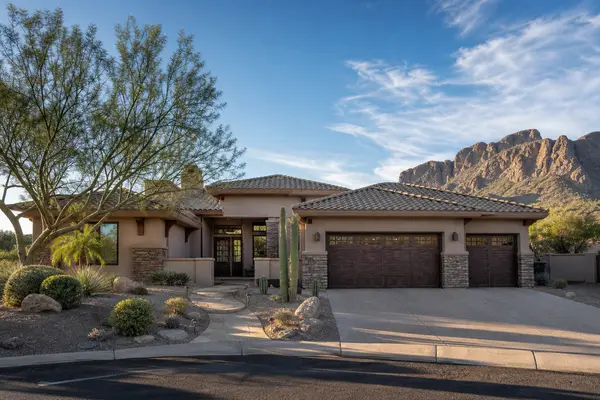
DSCR Investing in Sundt East Mesa AZ
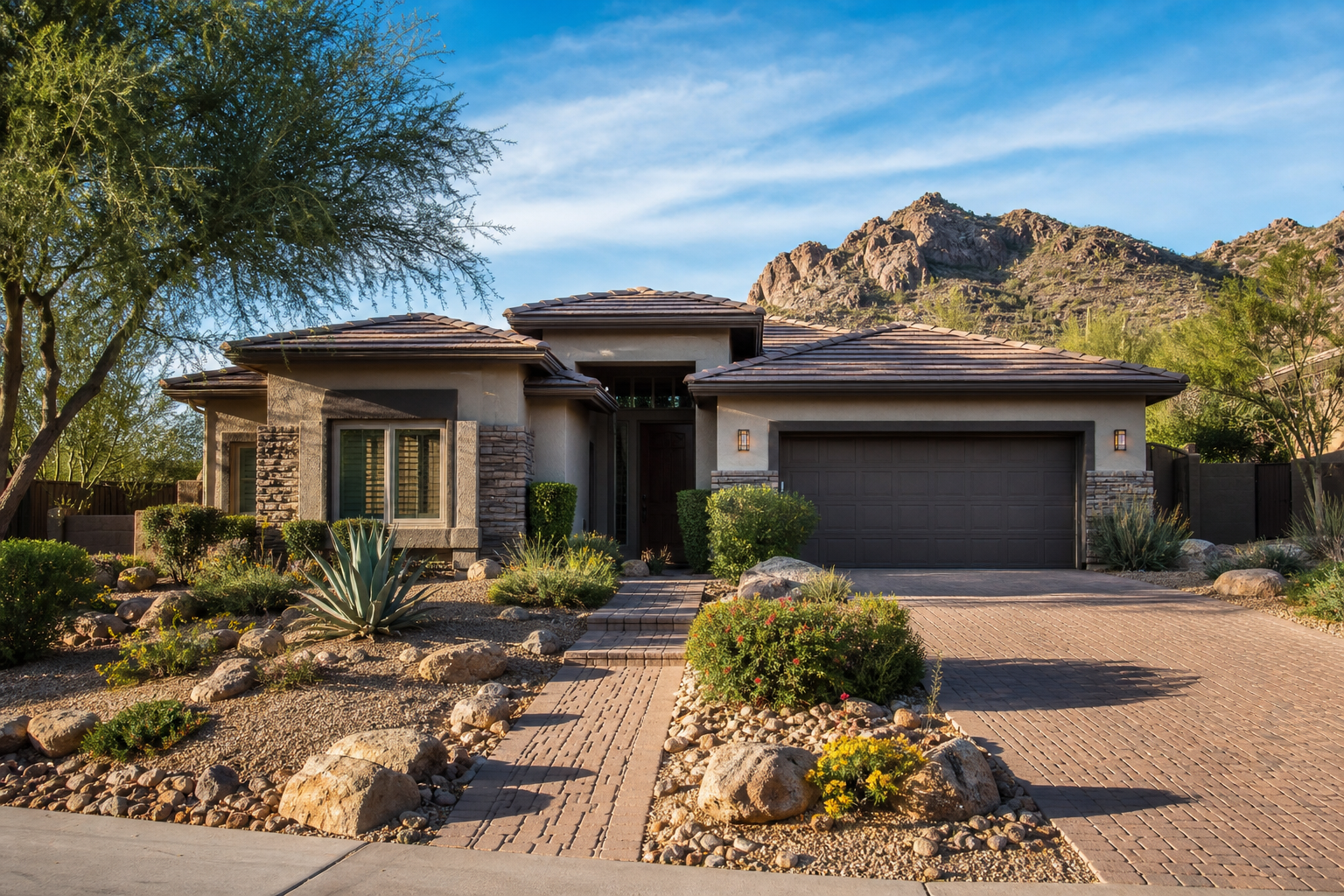
DSCR Investing in Sundt East Mesa AZ
Sundt, a newer-construction subdivision in East Mesa, attracts DSCR investors because of East Mesa's strong rental demand, relative affordability compared to central Phoenix, and the area's continued population growth. Whether a specific property qualifies for DSCR financing depends on verified rent comps, operating costs, HOA rules, and lender requirements.
Is Sundt in East Mesa a good area for DSCR rental investment?
Sundt is a newer-construction community in East Mesa that draws investor attention because of the broader East Valley's rental demand and relative price accessibility. Whether a specific Sundt property makes sense for a DSCR loan depends on verified rent comps, your lender's minimum ratio, HOA restrictions, and a full operating-cost model, not just a headline rent figure. I walk every investor client through that analysis before we even write an offer.
Key Takeaways
- Recent local market data shows the Las Sendas area of East Mesa carried a median sale price of $707,500 and a median 45 days on market over the trailing 90 days as of September 2026.
- DSCR lenders evaluate net operating income against debt service. Vacancy, property taxes, insurance, HOA dues, repairs, and management costs all reduce the ratio, so gross rent alone does not determine qualification.
- HOA rules in a Sundt property may restrict short-term or furnished rentals, impose minimum lease terms, or cap investor-owned units. Confirm the CC&Rs before purchase, not after.
- East Mesa and Apache Junction are distinct underwriting markets; purchase prices, tenant pools, and municipal services differ, so a regional East Valley figure should not be treated as a Sundt-specific guarantee.
- No single DSCR threshold applies to every lender. Minimum ratios, reserve requirements, and treatment of mid-term or short-term rental income vary by loan product and lender guidelines.
What makes East Mesa attractive to DSCR investors right now?
DSCR loans let investors qualify on the property's income rather than their personal W-2, which makes them a practical tool for building a rental portfolio. East Mesa keeps appearing on investor shortlists for a few concrete reasons.
Population growth and rental demand in the East Valley
The East Valley continues to absorb population from higher-cost metros. Arizona's Office of Economic Opportunity has tracked consistent Maricopa County growth, and that growth concentrates in communities like Mesa, Gilbert, and the expanding edges near Apache Junction. More households entering the market means sustained demand for well-located rentals.
I've said it more than once to clients looking at this corridor: Apache Junction and the East Valley are the next place to be. That's not a sales pitch, it's what the absorption numbers keep showing.
Price point relative to central Phoenix
Newer-construction homes in East Mesa often come in at a lower price per square foot than comparable builds closer to Scottsdale or Tempe, which matters when you're modeling debt service. Recent local market data shows the Las Sendas area, one of the established benchmarks in this part of Mesa, carried a median sale price of $707,500 over the trailing 90 days as of September 2026. Red Mountain Ranch, another East Mesa reference point, showed a $547,500 median over the same period. Individual Sundt properties will vary by bedroom count, lot size, pool, and build year.
| Area | Median Sale Price | Median Days on Market |
|---|---|---|
| Las Sendas | $707,500 | 45 |
| Red Mountain Ranch | $547,500 | 50 |
These are area-level medians from aggregated public listing data. An individual home's value depends on condition, street, build year, and timing, which is exactly why a property-specific analysis matters before you commit to a purchase price in your DSCR model.
Newer construction and lower near-term maintenance costs
One factor DSCR investors sometimes underweight is the maintenance reserve. Newer construction typically means lower near-term repair costs, which improves your effective net operating income and therefore your actual debt-service coverage ratio. That advantage erodes over time, so timing matters when you're underwriting a hold period.
How do you actually underwrite a DSCR deal in Sundt?
A DSCR loan qualifies the property, not the borrower's income, but that does not mean the analysis is simple. Here is how I frame it with investor clients before we start writing offers.
Start with verified rent comps, not asking rents
Advertised rents on listing portals are asking prices, not signed leases. For a credible DSCR model, you need executed lease records or property-management data for comparable homes, similar bedroom count, square footage, pool status, parking, and furnishing level. The National Association of REALTORS® consistently notes that rental market conditions vary significantly at the neighborhood level, and East Mesa is no exception.
Model operating costs, not just gross rent
Your lender will stress-test the ratio using net operating income. The costs that reduce it include:
- Vacancy (underwrite conservatively, East Valley seasonality is real, with softer summer demand).
- Property taxes (confirm the Maricopa County assessed value and current rate through the Maricopa County Assessor).
- Homeowner's insurance.
- HOA dues and any special assessments.
- Repairs and maintenance reserve.
- Property management fees if you're not self-managing.
- Any utilities the owner covers.
A high advertised rent does not establish loan qualification or positive cash flow on its own. Your specific number depends on the property's condition, the lease structure you choose, and the lender's guidelines, that's where running the actual numbers with someone who knows this market makes a difference.
Separate your rental strategy before you model
A standard 12-month lease, a furnished mid-term rental (30-plus days), and a short-term vacation rental involve different revenue assumptions, operating costs, and risk profiles. They also receive different treatment from DSCR lenders, many lenders apply a discount or require additional documentation for short-term or furnished-rental income. Fannie Mae's guidance on short-term rental income illustrates how differently agencies can treat these income streams. Combine them in your model only if your lender explicitly accepts the blended approach.
If Sundt's HOA imposes a minimum lease term or prohibits short-term rentals entirely, that decision gets made for you. Confirm the CC&Rs for the specific parcel, not a neighboring subdivision's rules, before you build your pro forma around a furnished-rental premium.
Know your lender's DSCR requirements before you shop
There is no universal minimum DSCR. Depending on the lender and loan product, the threshold, reserve requirements, maximum leverage, and treatment of non-W-2 income all vary. The Consumer Financial Protection Bureau's mortgage resources are a useful starting point for understanding non-QM loan structures, but the only way to know your specific qualification is to talk to a lender who originates DSCR loans in Arizona. Verify the details with your lender before you factor them into an offer price.
What should you verify before making an offer on a Sundt investment property?
Before you commit a purchase price to a DSCR model, here is the checklist I walk through with every investor client in this market.
- Confirm the subdivision and parcel: Verify the legal description and boundaries through the Maricopa County Assessor's parcel map so you're working from the correct property data.
- Pull the HOA documents: Obtain the current CC&Rs, bylaws, rules, rental-cap provisions, minimum lease term, tenant-registration requirements, and any restrictions on furnished or short-term rentals. These apply to the specific parcel, not the neighborhood in general.
- Collect rent comps: At least three to five executed leases for comparable homes, same bed/bath count, similar square footage, comparable amenities, within a reasonable radius and recency window.
- Get a current property tax estimate: The Maricopa County Assessor revalues properties annually. Confirm the assessed value and current levy rate for the specific parcel, not a prior-year estimate.
- Run a full operating-cost model: Gross rent minus vacancy, taxes, insurance, HOA, maintenance, and management. That net operating income is what your DSCR lender will underwrite against.
- Confirm lender guidelines in writing: Minimum DSCR, reserve requirements, maximum LTV, and income-documentation requirements for your chosen rental strategy.
Every situation is different, and the only way to know whether a specific Sundt property pencils out is to run the numbers with someone who knows both the East Mesa market and how DSCR underwriting works here. That's exactly what I do with investor clients before we write the first offer.
Frequently Asked Questions
Sundt's East Mesa location benefits from the broader East Valley's population growth and rental demand, which supports the income side of a DSCR analysis. Whether a specific property qualifies depends on verified rent comps, operating costs, HOA rules, and your lender's minimum ratio, no general area claim substitutes for a property-level underwrite.
Realistic rent depends on bedroom count, square footage, pool, parking, furnishing status, and current market conditions for comparable executed leases, not advertised asking rents. For a DSCR model, collect signed lease records for three to five comparable homes in the immediate area, then apply a conservative vacancy factor before presenting the figure to your lender.
Treatment varies by lender and loan product, many apply a discount to short-term or furnished-rental income, require additional documentation, or exclude it entirely. Confirm your specific lender's guidelines in writing before building a pro forma around a furnished-rental strategy, and verify whether the HOA permits that rental type for the specific parcel.
If the property is governed by an HOA, the CC&Rs may impose minimum lease terms, tenant-registration requirements, rental caps, or outright prohibitions on short-term or furnished rentals. Obtain the current declaration and rules for the specific parcel from the HOA directly, do not rely on a neighboring subdivision's documents or general area assumptions.
East Valley rental demand softens during the hotter summer months and tends to strengthen in the cooler fall and winter period, so a flat annual vacancy assumption can understate seasonal risk. A conservative underwrite accounts for this seasonality rather than assuming 100 percent occupancy year-round; your property manager or a local rent-comp analysis can help calibrate a realistic figure for the specific property type and rental strategy.
Single-family detached homes with standard 12-month leases are the most straightforward property type for DSCR financing because lenders have the most established income-documentation guidelines for them. Condos, townhomes, and properties with short-term or furnished-rental income introduce additional lender requirements, confirm warrantability, HOA financials, and income-treatment guidelines with your lender before committing to a purchase price.
The Bottom Line
The East Mesa investment market moves quickly, and the difference between a deal that pencils and one that doesn't often comes down to the details in the operating model. If you're evaluating a Sundt property or any East Mesa rental opportunity, I'm glad to walk through the numbers with you. Schedule a consultation with The Melissa Bailey Collaborative and let's look at what the property actually supports before you make an offer.
Melissa Bailey
Melissa Bailey leads The Melissa Bailey Collaborative, a real estate team serving Mesa, Apache Junction, and the broader East Valley. She works with both owner-occupants and investors across communities including Las Sendas, Red Mountain Ranch, Eastmark, and Cadence at Gateway, with a focus on helping clients make decisions grounded in real local data.
Equal Housing Opportunity. This article is general information only and is not legal, tax, or financial advice. Confirm your specific numbers, including rent comps, operating costs, and loan qualification, with your title company, tax advisor, and lender. DSCR loan requirements, minimum ratios, and rental-income treatment vary by lender and loan product and are subject to change. HOA rules and tax assessments apply to the specific parcel and should be verified directly. Market figures are area-level medians as of September 2026 and are subject to change. The featured image is an AI generated illustration and does not depict a specific property.
Categories
Recent Posts