Craftsman in Mesa AZ for Luxury Move-Up Buyers
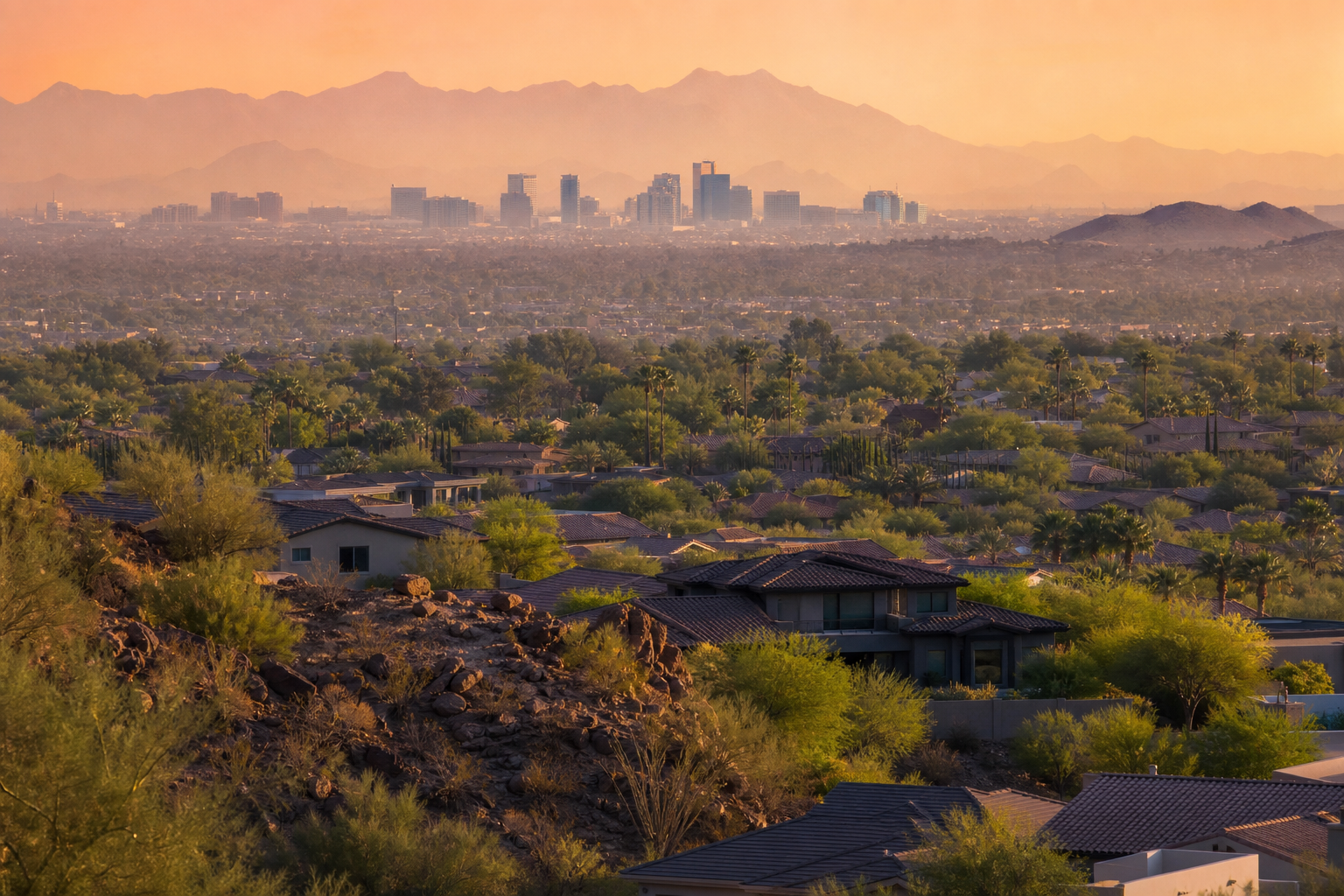
Craftsman in Mesa AZ for Luxury Move-Up Buyers
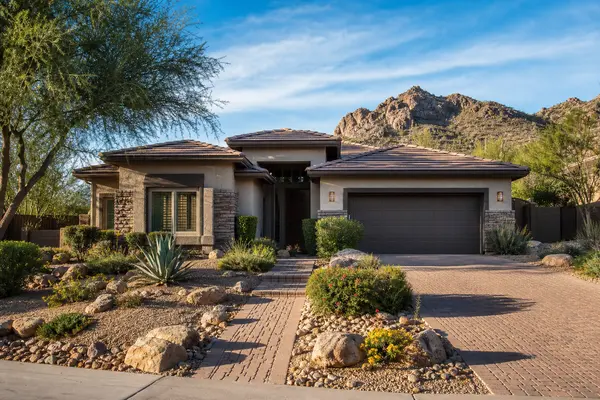
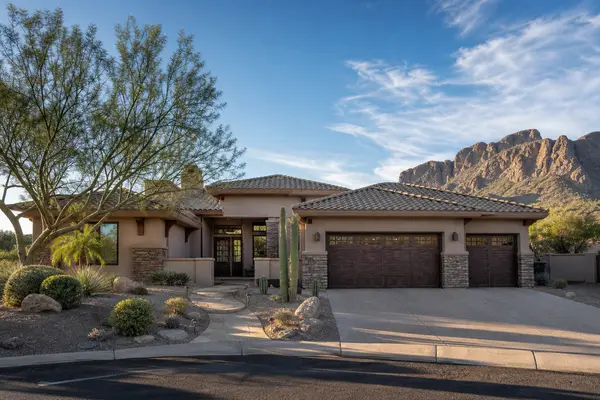
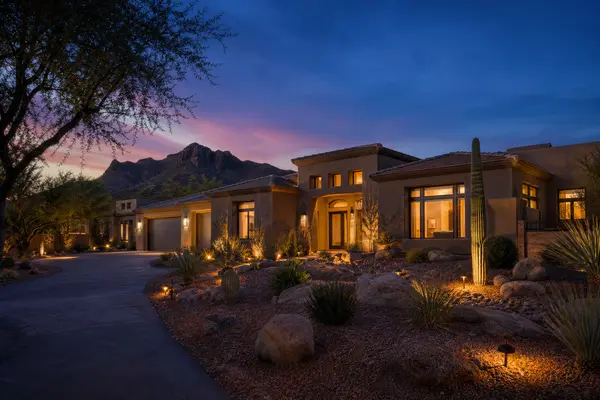
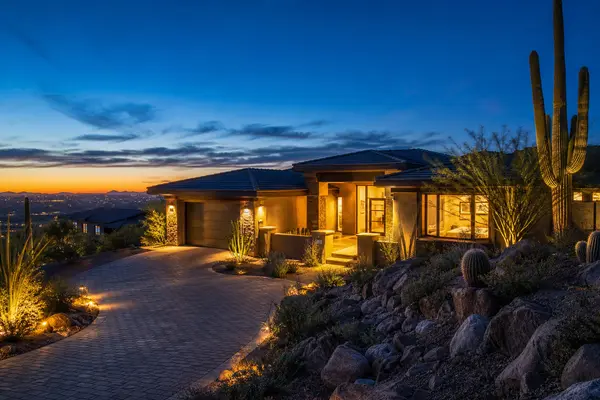
The Craftsman in Mesa, AZ is drawing serious attention from move-up buyers ready for upscale finishes, thoughtful design, and a community built around livability in the East Valley. It offers a meaningful step up from a starter or mid-range home without leaving the area you already love.
What makes The Craftsman in Mesa, AZ worth considering for a luxury move-up?
The Craftsman in Mesa is a community built for buyers who have outgrown their current home and are ready for a higher level of finish, more intentional design, and outdoor living that actually works in the Arizona climate. For move-up buyers already rooted in the East Valley, it offers a meaningful upgrade without the disruption of relocating to an entirely new part of the metro.
Key Takeaways
- Recent local market data for the Red Mountain Ranch area shows a median sale price of $560,000 and a median of 52 days on market, providing useful context for move-up buyers evaluating their entry point into this segment.
- The Craftsman in Mesa is positioned for buyers ready to move beyond a starter or mid-tier home into a community with upscale finishes, larger lots, and designed outdoor living.
- Before making an offer on any home at The Craftsman, buyers should request a written feature and upgrade list that separates standard specifications from design-center add-ons and staging-only items.
- HOA documents, including the declaration, budget, and transfer requirements, should be reviewed before committing, not after.
- Lot orientation, views, and proximity to open space vary parcel by parcel at The Craftsman, so the specific homesite matters as much as the floor plan.
Why move-up buyers are looking at The Craftsman in Mesa right now
I work with a lot of buyers who have been in the East Valley for years and are finally ready to make the move they've been thinking about. They're not leaving Mesa, they love it here. What they want is more: more space, better finishes, a primary suite that actually feels like a retreat, and outdoor living that's designed for the desert rather than tacked on as an afterthought.
The Craftsman in Mesa checks those boxes in a way that a lot of communities in this price range don't. For context on where the surrounding market sits, recent local market data for the Red Mountain Ranch area shows a median sale price of $560,000 and homes spending a median of 52 days on market. That's useful framing for move-up buyers trying to understand what their equity can do and where a Craftsman home fits in the local luxury landscape.
According to NAR's housing research, move-up buyers consistently cite more living space and better-quality finishes as their top motivations. In Mesa, that story is playing out in communities like The Craftsman, where the design intent goes beyond square footage.
If you want the full picture on The Craftsman at Hawes Crossing in southeast Mesa, including its town center concept and what makes this particular location stand out, I've written a dedicated breakdown worth reading before you visit.
What the move-up decision actually involves
Moving up isn't just a financial transaction. It's a lifestyle recalibration. The buyers I walk through this process are usually asking themselves a few honest questions: What do I actually use in my current home? What do I wish I had? And what am I willing to pay to get it?
At The Craftsman in Mesa, the answers tend to involve things like a proper home office or flex space, a primary suite separated from secondary bedrooms, a garage that fits more than two cars with room to spare, and a covered patio that's actually usable from May through October. Those aren't luxury extras in this climate, they're the difference between a home that works for your life and one you're constantly working around.
The Arizona Department of Real Estate outlines the buyer protections and disclosure requirements that apply to your purchase here, and it's worth understanding those before you're deep into a contract on a new-construction or recently completed home.
Heat management is a real evaluation criterion, not a footnote
For any luxury home in the Phoenix metro, I tell buyers to look past the aesthetics and ask hard questions about how the home handles heat. East-west exposure, roof and wall insulation, low-emissivity windows, HVAC zoning, and covered outdoor spaces aren't just comfort features, they directly affect your utility costs and how livable the home is from June through September.
The U.S. Department of Energy's guidance on insulation and weatherization is a useful baseline, but the real test is asking the builder or seller for specifics on the home's energy package. A luxury price point should come with a luxury answer to that question.
What to verify before you make an offer at The Craftsman in Mesa
This is where I see move-up buyers make the most mistakes, not on price, but on the details that determine whether the home actually delivers what they came for. Here's what I walk every client through before we write anything.
Get the feature and upgrade list in writing
For a new-construction or recently completed home, the gap between what you see in a model and what's included in the base price can be significant. You need a written breakdown that separates standard specifications from structural options, design-center upgrades, builder incentives, landscaping, window coverings, appliances, and anything that was placed for staging only.
Don't assume the countertops, the lighting package, or the outdoor kitchen in the model are standard. Ask. Get it in writing. Your offer should be based on what's actually included, not what looked good during the walkthrough.
Read the HOA documents before you're emotionally committed
The HOA governs more than just the common areas. Before you're under contract, request the full declaration, rules and regulations, current budget, assessment schedule, transfer requirements, and any restrictions affecting exterior changes, pools, landscaping, rentals, parking, and outdoor improvements.
I've seen buyers fall in love with a home and then discover the HOA has restrictions that conflict directly with how they planned to use the property. Read the documents first. If you have questions about what they mean, that's a conversation to have before you're in escrow, not after.
Verify the parcel, not just the community
Lot orientation, views, adjacent open space, and exposure to roadways or future development can vary significantly from one homesite to another. A Superstition Mountain view on one lot may not exist two lots over. Drainage, privacy, and proximity to community amenities are all parcel-specific.
The Maricopa County Assessor is the right place to verify property tax information, parcel boundaries, and assessor records for any Mesa address. Don't rely on a neighborhood label or a mailing address to determine which county services, utilities, or tax rates apply, verify it at the parcel level.
Confirm timelines directly with the builder or seller
If you're purchasing a home that's still under construction or recently completed, the timeline matters. Design-selection deadlines, construction milestones, expected completion, final orientation, closing, utility activation, and warranty procedures are all community- and contract-specific. Get those dates in writing and build your financing and move-out timeline around them, not around estimates.
The CFPB's home-buying resource is a solid reference for understanding the financing side of a move-up purchase, including how your current home's equity factors into the transaction.
| What to Verify | Who to Ask | Why It Matters |
|---|---|---|
| Standard vs. upgraded finishes | Builder's sales team (in writing) | Model homes often include upgrades not in the base price |
| HOA fees, rules, and restrictions | HOA management company | Affects how you can use and modify the property |
| Parcel-level tax and assessor data | Maricopa County Assessor | County services, tax rates, and boundaries vary by parcel |
| Lot orientation and views | On-site visit to the specific homesite | Views and privacy differ lot by lot |
| Construction timeline and closing date | Builder's project manager | Drives your financing, move-out, and utility activation plan |
| Energy efficiency package | Builder's specifications sheet | Directly affects summer utility costs in the Mesa climate |
How The Craftsman fits the broader East Valley luxury picture
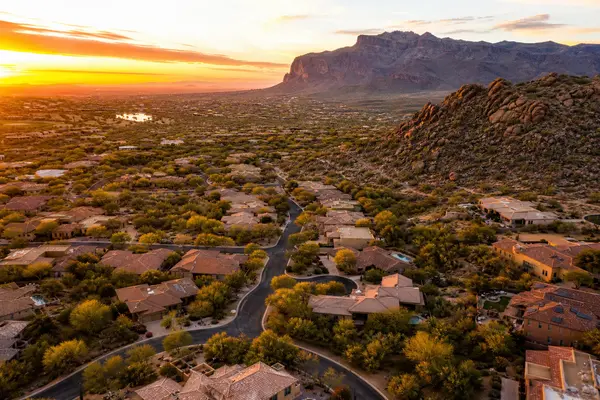
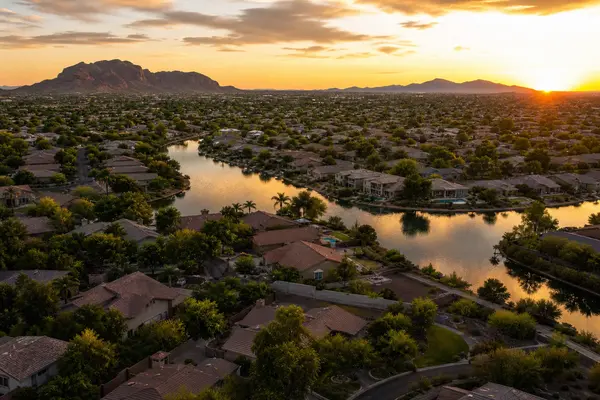
Mesa's luxury market has been developing steadily, and The Craftsman is part of a broader pattern of higher-end product coming to the southeast and east Mesa corridors. If you've been watching Mesa's luxury market, this community fits the trajectory I've been talking about for a while.
For buyers also considering Apache Junction or other East Valley communities, the comparison isn't just about price. It's about what each location delivers in terms of commute access, proximity to medical facilities, recreation, and the specific lifestyle you're after. Apache Junction and the broader East Valley corridor have their own compelling story, and I cover that in detail in my overview of luxury homes in Mesa and Apache Junction.
The City of Mesa's neighborhood resources are a useful starting point for understanding municipal services, utilities, and what to expect from the city side of ownership. And the Arizona REALTORS association sets the contract standards that govern how your purchase is structured and what protections you have as a buyer.
Every situation is different, and the only way to know whether The Craftsman in Mesa is the right move for your specific timeline, equity position, and lifestyle goals is to run through it together. That's exactly the kind of conversation I have with move-up buyers before we ever set foot on a homesite.
Frequently Asked Questions
The Craftsman in Mesa appeals to move-up buyers because it's designed around the features that matter most at this stage: upscale finishes, thoughtful floor plans, outdoor living built for the Arizona climate, and a community that reflects a higher standard of livability than most mid-tier Mesa neighborhoods offer. Buyers who've been in the East Valley for years and are ready to stop compromising find it a natural next step without leaving the area they know.
Beyond square footage, focus on garage capacity, primary-suite privacy and separation, covered outdoor space, pool or pool-readiness, HVAC zoning, home office or flex space, and guest accommodations. In the Mesa climate, heat-management features, including insulation, window ratings, and roof design, are practical evaluation points that affect daily livability and long-term utility costs, not just aesthetics.
Ask for a written breakdown that separates standard specifications from structural options, design-center upgrades, landscaping, window coverings, appliances, and staging items. Lot premiums for specific orientations, views, or open-space adjacency are typically a separate line item from the base price. Get every answer in writing before you're under contract, because what you see in a model home is rarely a complete picture of what's included.
HOA details should be confirmed directly through the developer or community's sales office, as fees, rules, and restrictions are community- and contract-specific. Before committing, request the full declaration, current budget, assessment schedule, and rules covering exterior changes, pools, landscaping, rentals, and parking. Reviewing these documents before you're emotionally invested in a specific home is one of the most important steps in the move-up process.
The comparison depends on your specific priorities. Mesa and Apache Junction have separate city governments, planning jurisdictions, utility arrangements, and proximity to employment and recreation varies by exact location. A home in Mesa gives you access to Mesa's municipal services and infrastructure, while Apache Junction offers its own character and proximity to the Superstition Mountains. The right answer depends on your commute, lifestyle, and long-term plans, and it's worth walking through those specifics with a local agent who knows both markets.
Verify the written feature and upgrade list, HOA documents, parcel-level tax and assessor records through the Maricopa County Assessor, lot orientation and views on the specific homesite, the construction or closing timeline from the builder directly, and the energy efficiency package. Each of these can meaningfully affect both the value you're getting and how the home fits your life, and none of them should be assumed from a model-home visit alone.
The Bottom Line
Ready to take a closer look at The Craftsman in Mesa or talk through whether it's the right move for your situation? Schedule a consultation with my team and we'll walk through it together.
Melissa Bailey
Melissa Bailey is a Mesa-based real estate professional and team leader of The Melissa Bailey Collaborative, specializing in luxury and move-up homes across Mesa, Apache Junction, and the East Valley. She brings deep local knowledge and a straightforward approach to one of the most significant financial decisions her clients make.
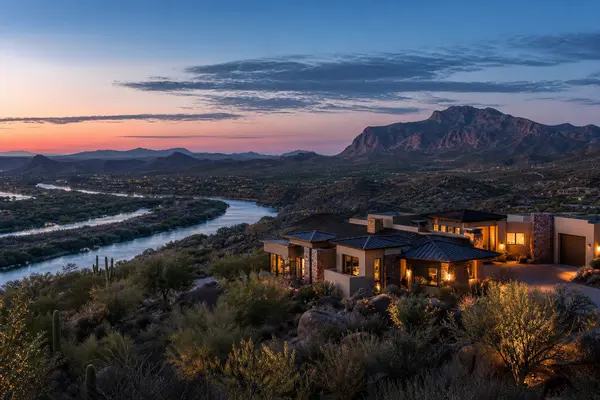
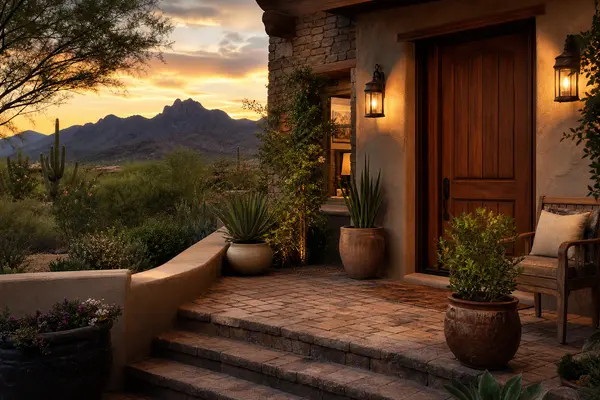
Equal Housing Opportunity. This article is general information only and does not constitute legal, tax, or financial advice. Confirm your specific numbers and transaction details with your title company, tax advisor, or lender. Community features, HOA rules, builder specifications, and lot availability are community- and contract-specific and subject to change; confirm current details with the community sales office and the relevant county. Market figures are area-level medians as of September 2026 and are subject to change. The featured image is an AI generated illustration and does not depict a specific property or community.
Categories
Recent Posts