Cash to Close in Mesa and the East Valley


Cash to Close in Mesa and the East Valley
Buying a home in Mesa, Apache Junction, or the East Valley requires more cash than just the down payment. You'll also need closing costs, prepaid homeowner's insurance, property tax reserves, and inspection fees, and the exact total depends on your loan type, price point, and what you negotiate with the seller.
How much cash do you actually need to buy a home in Mesa, Apache Junction, or the East Valley?
Buying a home in Mesa, Apache Junction, or the broader East Valley requires more cash upfront than most buyers expect. The down payment is only one piece, you'll also need to cover lender fees, title company charges, prepaid homeowner's insurance, property tax reserves, and inspection costs. Depending on your loan type and the price of the home, your total cash to close can be meaningfully higher than the down payment figure alone.
Key Takeaways
- Recent local market data shows a median sale price of $700,000 in Las Sendas and $535,000 in Red Mountain Ranch, meaning cash-to-close requirements scale significantly with East Valley price points.
- VA and USDA loans allow zero down payment, but buyers still owe closing costs, prepaids, and reserves at closing unless the seller covers them through concessions.
- Mesa and most of the East Valley sit in Maricopa County, while some Apache Junction addresses fall in Pinal County, and each county has its own property tax billing cycle, which affects how much your lender collects for escrow reserves at closing.
- Lenders require a full year of homeowner's insurance paid upfront at closing, plus several months of tax and insurance reserves held in escrow, this alone can add thousands to your cash-to-close figure.
- In the current market, seller concessions are a real negotiating tool that can reduce the cash you bring to the table, but there are program-specific limits on how much a seller can contribute.
What's the difference between down payment, closing costs, and cash to close?
These three terms get used interchangeably all the time, and that's where a lot of buyers get tripped up. Here's how I explain it to every client before we start writing offers.
Down payment is the equity portion you're contributing to the purchase. It determines your loan-to-value ratio, whether you'll pay private mortgage insurance, and how large your loan is. For conventional loans, that can be as low as 3% with a qualifying credit score; Fannie Mae's HomeReady program is one common path. FHA loans require 3.5% down with a 580+ FICO score, or 10% if your score falls between 500 and 579. VA loans allow zero down for eligible veterans and service members.
Closing costs are the transactional fees to get the deal done, lender origination and underwriting fees, appraisal, credit report, lender's title insurance policy, recording fees at the county recorder's office, and your share of the title company's escrow fee. These are separate from your down payment and don't build equity.
Cash to close is the total you wire or cashier-check to the title company before you get the keys. It combines the down payment, closing costs, and prepaids. The Closing Disclosure your lender provides three business days before closing will show every line item, that's the document you want to review carefully before you wire anything.
For a deeper look at the full purchase process, my First-Time Buyer Guide for Mesa and the East Valley walks through each stage from pre-approval to keys.
Why cash to close almost always exceeds the down payment
This is the misconception I run into constantly, especially with buyers relocating from out of state or transitioning out of renting. Even a zero-down VA loan doesn't mean zero cash at closing. You still owe closing costs and prepaids, unless you've negotiated seller concessions to cover them, and even then there are program limits on how much a seller can contribute.
According to NAR's research on buyer and seller trends, the gap between what buyers expect to bring and what they actually need is one of the most common friction points in the purchase process. In the East Valley, where price points range widely across neighborhoods, that gap matters.
What are the closing cost categories East Valley buyers should plan for?
Closing costs in Arizona break into two buckets: lender fees and third-party fees. Both show up on your Closing Disclosure, and both are part of your cash-to-close number.
Lender fees
These are charged by your mortgage company for originating and processing your loan. Common line items include loan origination, underwriting, processing, appraisal, and credit report fees. These vary by lender, which is one reason shopping two or three lenders before you go under contract is worth your time.
Title company and recording fees
In Arizona, the title company handles closing and settlement, not an attorney. You'll pay a portion of the escrow fee to the title company, plus recording fees for the deed and mortgage at the county recorder's office. The Arizona Department of Real Estate oversees the licensed professionals involved in this process.
One nuance worth knowing: in Arizona, it's typical practice for the seller to pay for the owner's title insurance policy (which protects the buyer's ownership interest), while the buyer pays for the lender's title insurance policy (which protects the lender). This is customary, not a legal requirement, the purchase contract governs who actually pays what, and it's negotiable.
Prepaids and escrow reserves
This is the category that surprises buyers most. Before you close, your lender will collect:
- One full year of homeowner's insurance paid upfront at closing. Lenders require this to protect the collateral on the loan.
- Prepaid interest from your closing date through the end of that month.
- Property tax reserves, typically a few months of taxes collected upfront and placed in an escrow account so your servicer can pay the next installment on time.
- Additional escrow cushion, several months of taxes and insurance beyond the immediate reserve, so the servicer has a buffer for future bills.
The exact reserve amount depends on when in the tax cycle you close. Mesa and most of the East Valley are in Maricopa County, where property tax billing follows a specific schedule tracked by the Maricopa County Assessor. Some Apache Junction addresses fall into Pinal County, which has its own billing cycle, tracked separately by the Pinal County Assessor. If you're closing right before a tax installment is due, your lender will front-load your reserves to make sure that payment is covered. Your loan estimate will spell this out, verify the numbers with your lender before you finalize your cash-to-close figure.
Inspections
Inspections are typically buyer-paid and happen before closing, so they're not on your Closing Disclosure, but they're still part of the cash you need to have ready. In the East Valley, common add-on inspections beyond a general home inspection include termite/pest (wood-destroying organisms), pool inspections on homes with pools, and roof inspections on older Mesa properties. These are usually negotiable, sometimes a seller will cover the cost, but plan to pay for them out of pocket unless you've specifically negotiated otherwise.
How local price points affect your cash-to-close number
Cash to close scales directly with the purchase price, so where you're buying in the East Valley matters. To see how price points translate to what you'd actually get for your budget, my post on What $400K Gets You in Mesa, Arizona is a useful reference.
Here's a snapshot of recent area-level medians from local market data (trailing approximately 90 days, as of September 2026):
| Area | Median Sale Price | Median Days on Market |
|---|---|---|
| Las Sendas | $700,000 | 50 |
| Red Mountain Ranch | $535,000 | 46 |
These are area-level medians. An individual home's value depends on condition, street, build year, and timing. But they illustrate the range. A buyer targeting a home near the Las Sendas median is working with a very different cash-to-close picture than someone in a starter-price range.
The percentage-based components (down payment, certain reserves) grow with the purchase price, and the fixed components (lender fees, recording fees) stay relatively stable. Your specific number depends on your loan type, credit profile, the lender you choose, and what you negotiate in the contract. That's exactly the kind of calculation I walk my clients through before we write an offer, knowing your real cash-to-close target before you're under contract is how you avoid surprises at the closing table.
Can seller concessions reduce what you bring to closing?
Yes, and in the current market, this is a real lever. When sellers are motivated and inventory is sitting longer, seller concessions (credits applied toward your closing costs and prepaids) are a legitimate negotiating tool. The seller doesn't hand you cash, they agree to credit a portion of the sale proceeds toward your closing costs at settlement.
Every loan program sets a cap on how much a seller can contribute. Those limits vary by loan type and your down payment percentage, your lender can tell you exactly what applies to your scenario. The key point: a seller concession reduces your cash to close, not your loan balance. It doesn't change your purchase price or your equity position.
Whether a concession is realistic depends on the specific home, the seller's situation, and how the offer is structured. Every home has its own story, and pricing and negotiation strategy need to reflect that.
Frequently Asked Questions
Your down payment is the equity portion you're contributing to the purchase price. Closing costs are the lender and third-party fees to complete the transaction. Cash to close is the total of both, plus prepaid items like homeowner's insurance and property tax reserves, it's the wire or cashier's check amount you bring to the title company. Most East Valley buyers find their cash to close is noticeably higher than their down payment alone.
A VA loan eliminates the down payment, but you'll still owe closing costs (lender fees, appraisal, title charges, recording fees), prepaid homeowner's insurance, and property tax reserves. If your Apache Junction property is in Pinal County, the tax billing cycle differs from Maricopa County, so your reserve requirement may look different than a friend's Mesa closing. Seller concessions can offset some of these costs, but you'll want to confirm the specifics with your lender.
Yes, sellers can offer concessions that credit toward your closing costs and prepaids at settlement, and in the current East Valley market, this is a real negotiating option. Each loan program caps the maximum seller contribution based on your loan type and down payment percentage, so check with your lender for the limit that applies to you. A concession reduces your cash to close but doesn't change your loan amount or equity position.
Yes. Lenders require one full year of homeowner's insurance paid at closing to protect the collateral on the loan. This is a prepaid item collected by the title company and is separate from your monthly escrow payment going forward. The annual premium varies based on the home's size, age, and coverage level, get a quote before closing so it doesn't catch you off guard.
Lender fees and most title company charges are similar across the East Valley, but there is one meaningful difference: some Apache Junction addresses fall in Pinal County rather than Maricopa County, which means a different property tax billing cycle and potentially different escrow reserve calculations. Recording fees can also vary slightly by county. Your Closing Disclosure will show the exact figures, compare it carefully against your initial Loan Estimate.
Putting 20% down eliminates private mortgage insurance, which lowers your monthly payment, but it doesn't significantly reduce your closing costs, prepaids, or escrow reserves. Lender fees, title company charges, prepaid insurance, and property tax reserves are largely independent of your down payment amount. The biggest effect of 20% down is on your monthly payment and long-term loan cost, not your cash-to-close categories outside the down payment itself.
The Bottom Line
The full cash-to-close picture in Mesa, Apache Junction, and the East Valley has a lot of moving parts, loan type, price point, county, tax timing, and what you negotiate with the seller all factor in. The only way to know your real number is to run it with a lender and a local agent who knows how these deals actually come together here. If you're ready to get a clear picture before you start making offers, reach out and let's talk through your situation.
Melissa Bailey
Melissa Bailey is a Mesa-based real estate agent and team leader with The Melissa Bailey Collaborative, specializing in buyer and seller representation across Mesa, Apache Junction, and the East Valley, including neighborhoods like Las Sendas, Mountain Bridge, Red Mountain Ranch, Eastmark, and Cadence at Gateway. She guides clients through every step of the transaction, from pre-approval strategy to closing day.
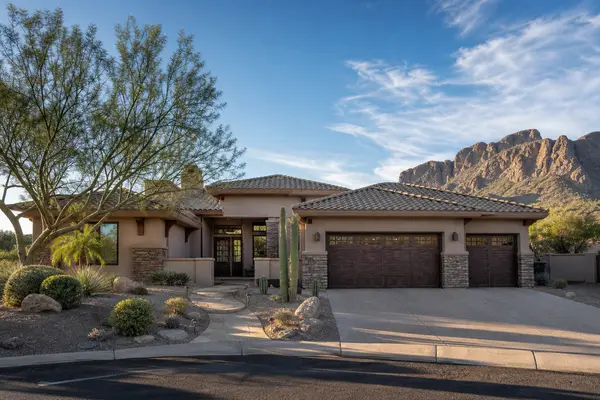
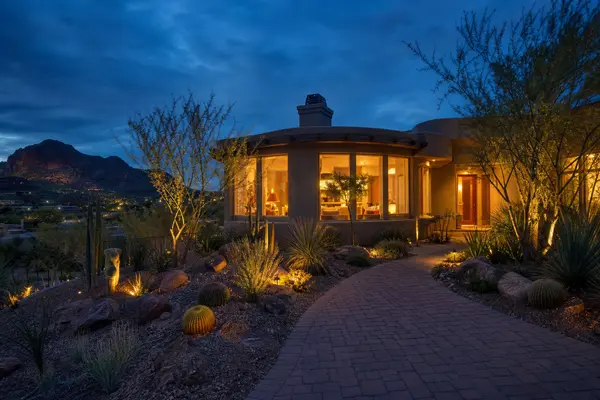
Equal Housing Opportunity. This article is general information only and is not legal, tax, or financial advice. Confirm your specific costs and figures with your title company, tax advisor, or lender before closing. Loan program requirements, closing cost categories, and property tax cycles are subject to change and vary by loan, lender, and county. Market figures are area-level medians as of September 2026 and are subject to change. The featured image is an AI generated illustration and does not depict a specific property.
Categories
Recent Posts