Downsizing in the East Valley Without Compromise

Downsizing in the East Valley Without Compromise
The biggest mistake I see downsizers make is treating the move as a subtraction exercise. You are not just losing rooms. You are trading them for lower maintenance, lower utility bills, a footprint you can actually manage, and often a location that fits your life better than the one you chose twenty years ago.
Getting that trade right takes some planning. Here’s what the East Valley looks like for downsizers in 2026, and how I’d approach it.
Is Now Actually a Good Time?
For a downsizer specifically, yes — and it’s one of the better windows we’ve had in a few years. Here’s why that’s true for you in a way it isn’t for everyone.
Mesa is sitting close to balance. Homes are taking around two months to sell and closing near, but generally a little under, asking. Prices have been flat to modestly down over the past year.
In a seller’s market you get a great price on your sale and then immediately overpay and compete for your purchase. In a falling market the reverse. A balanced market means both sides of your trade behave predictably, and you have time to sequence them properly instead of scrambling.
One caution on the numbers you’ll see online: Mesa medians vary meaningfully by source depending on whether they measure list price or sale price, and over what window. Don’t anchor to any single figure. Your neighborhood and price band matter far more than a citywide average.
Mesa and Apache Junction Move at Different Speeds
This is the single most useful distinction for a downsizer, because the two cities suit different temperaments.
Mesa moves at a moderate, predictable pace. If you want to sell, buy, and be settled without an extended process, that tempo suits you.
Apache Junction moves considerably slower, with homes sitting notably longer and a wider gap between list and sale prices. That sounds like a drawback until you’re the buyer — then it means time to be selective and real room to negotiate. For a downsizer who isn’t in a hurry and wants to be choosy, Apache Junction deserves a serious look.
The tradeoff cuts the other way if you’re selling there. Pricing strategy matters much more in a slow market, and an overpriced Apache Junction listing will sit.
Start With Your Non-Negotiables, Not a Square Footage Target
Before you pull a single listing, write down the three or four things that would make a smaller home feel like a downgrade rather than a trade up.
For most of my downsizing clients in the East Valley, that list includes:
- Usable outdoor space — and in Arizona, a covered patio matters far more than a large yard. Shade is the amenity. Grass is the chore.
- A guest room that doesn’t feel like a closet — because grandchildren and visiting family are usually the reason people regret going too small.
- Proximity to medical care and everyday errands — worth weighting more heavily than most people do at the time of the move.
- Social infrastructure you’d actually use — a pool, walking paths, a clubhouse with real programming. An amenity nobody uses is just an HOA line item.
- Single level living, or the ability to live entirely on one — even if stairs aren’t an issue today.
Once you know your anchors, the search gets dramatically more focused. Square footage stops being the number you optimize for, which is the whole point.
Where East Valley Downsizers Actually Land
| If you want | Look at |
|---|---|
| Purpose-built active adult living, built-in social life | Sunland Springs Village, Leisure World, Solera |
| Newer construction, smaller floor plans, strong amenities | Eastmark, Cadence at Gateway |
| A traditional neighborhood feel with a manageable lot | Mountain Bridge, Augusta Ranch |
| Golf access without a private club commitment | Augusta Ranch, Red Mountain Ranch |
| Mountain views and a resort feel, at a higher price | Las Sendas |
| Mature shade, larger lot, no HOA | The Groves |
Price points across these vary widely — from entry level active adult product to the northeast Mesa foothills. Ask me for current ARMLS figures in whichever of these fits your budget, since neighborhood-level numbers move faster than any published guide.
A note on two that get compared often: Red Mountain Ranch generally sits at a lower price point than Las Sendas while keeping you in the same northeast Mesa corridor, and it has historically moved a bit faster. Las Sendas tends to draw buyers who specifically want the views and the resort-style feel and will pay for them. Both are worth walking if that corridor is where you want to be.
Getting the Sell-Buy Sequence Right
This is where downsizing moves succeed or become miserable, and a balanced market gives you options that didn’t exist a few years ago.
List first, negotiate a leaseback
Sell your home, then rent it back from the buyer for an agreed period while you close on the new one. You know your exact proceeds before you buy, and you avoid moving twice. In a balanced market, buyers are far more willing to agree to this than they were when they had to fight for the house.
Buy with a contingency
Make your purchase contingent on selling your current home. Weaker in a competitive market, but workable now — particularly if your equity position is strong and your home shows well.
Buy first
Cleanest if your finances allow carrying both briefly. You move once, on your own timeline, with no pressure. Requires the ability to handle two payments for a period, and that’s a lender conversation before it’s a real estate one.
There is no universally right sequence. It depends on your mortgage situation, your equity, how quickly your current home is likely to sell, and what inventory looks like in your target neighborhood when you’re ready. Getting this wrong costs time, money, and a great deal of stress — which is why I work through it with clients before we ever put a sign in the yard.
What Closing Looks Like in Arizona
This surprises out-of-state downsizers regularly: in Arizona your closing is handled by a title company, not an attorney. The title company manages escrow, coordinates the paperwork, orders recording of the deed with the county recorder, and oversees funding.
The sequence is sign, fund, record, then keys — and exactly when possession transfers is spelled out in your contract, not assumed. It’s a clean process once you know what to expect.
Two other things worth knowing on the sell side:
Property taxes. Administered through your county assessor, not your agent or title company. Moving from a larger home to a smaller one will likely change your assessed value and tax obligation. Confirm the current tax status of any home you’re considering directly with the county rather than relying on a listing sheet.
Lead based paint. If the home you’re selling was built before 1978, federal law requires you to disclose known lead based paint information before the contract is signed, provide any available records, and give buyers the EPA and HUD lead hazard pamphlet. Buyers must also receive a 10-day window to conduct a lead inspection unless both parties agree otherwise. This catches a lot of longtime owners off guard, and it applies anywhere in the East Valley.
Frequently Asked Questions
It’s a strong downsizing market. Mesa sits close to balance — homes taking around two months to sell and closing near asking — which makes a sell-and-buy trade realistic without the extreme competition of a few years ago. The range of neighborhoods, from purpose-built active adult communities to newer master plans with smaller floor plans, gives downsizers genuine options across price points.
In many segments, yes. Homes there generally sit longer and there’s a wider spread between list and sale price, both signals of buyer leverage. If you’re a patient downsizer with flexibility on timing, that’s an advantage worth using. If you’re selling there, it means pricing accurately matters much more.
It depends on your equity, your mortgage situation, and how quickly your current home is likely to sell. Selling first with a negotiated leaseback is often the cleanest option in the current market — you know your proceeds before you commit and you only move once. Buying first works if you can comfortably carry both for a period. This is worth planning before you list, not after.
You sell your home and rent it back from the new owner for an agreed period, giving you time to close on your next place without moving twice. In today’s more balanced market, buyers are considerably more receptive to leasebacks than they were when inventory was scarce. It’s a negotiated term, so it depends on the buyer — but it’s worth asking for.
No. Arizona closings run through a title company acting as escrow agent. They handle escrow, documents, and recording. You may still want your own attorney for estate planning, trust ownership, or unusual circumstances — but that’s separate from the closing itself.
Federal law requires you to disclose any known lead based paint information before the contract is signed, provide available records, and give the buyer the EPA and HUD lead hazard pamphlet. Buyers also get a 10-day window for a lead inspection unless both parties agree otherwise. Your agent will walk you through the paperwork.
The Bottom Line
Downsizing in the East Valley doesn’t have to mean settling. The market in 2026 gives you real options — it’s a matter of knowing which neighborhoods fit your life, getting the sell-buy sequence right, and having someone who knows these micro-markets well enough to tell you when to move and when to wait.
My team works with downsizers across Mesa, Apache Junction, and the broader East Valley at every price point and timeline. If you’re ready to figure out what the move looks like for you, let’s run through the numbers together.
Melissa Bailey
Melissa serves Mesa, Apache Junction, and the broader East Valley with deep expertise in neighborhood level market dynamics and the downsizing transition, guiding clients through the sell-and-buy sequence across communities from Las Sendas to Sunland Springs Village.
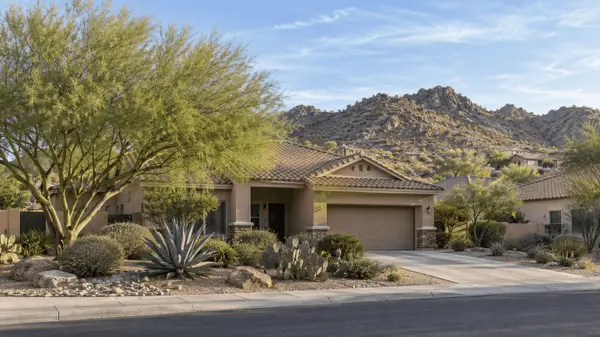
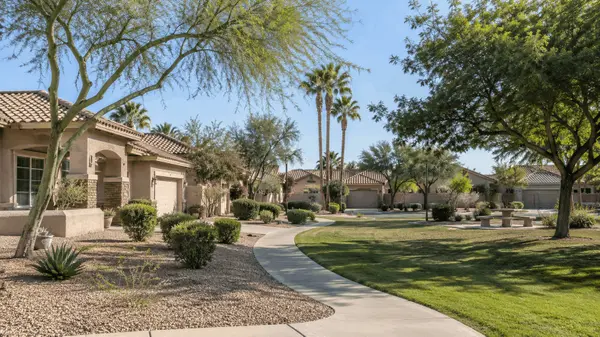
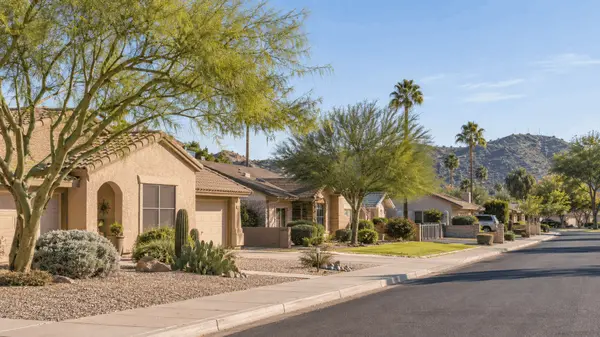
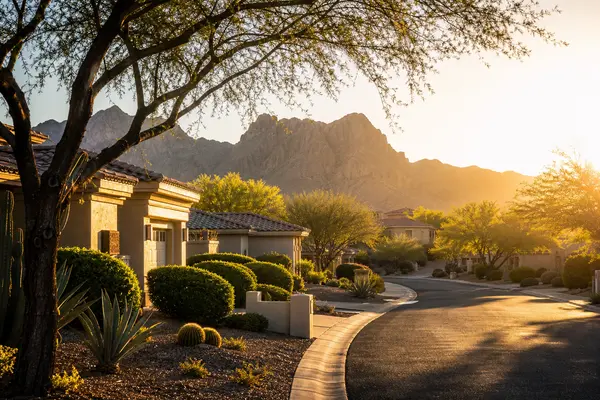
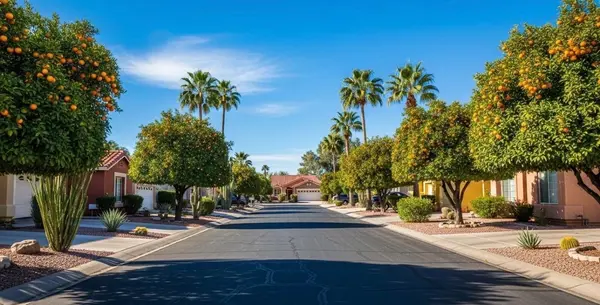
Equal Housing Opportunity. Market conditions vary by source, neighborhood, price band, and reporting period, and nothing here predicts the outcome of any individual transaction. The featured image is an AI generated illustration. This article is general information only and does not constitute legal, tax, or financial advice. Confirm your specific numbers, tax obligations, and transaction details with your title company, tax advisor, or lender.
Categories
Recent Posts