When Is the Best Time to Sell a Home in Mesa and the East Valley?
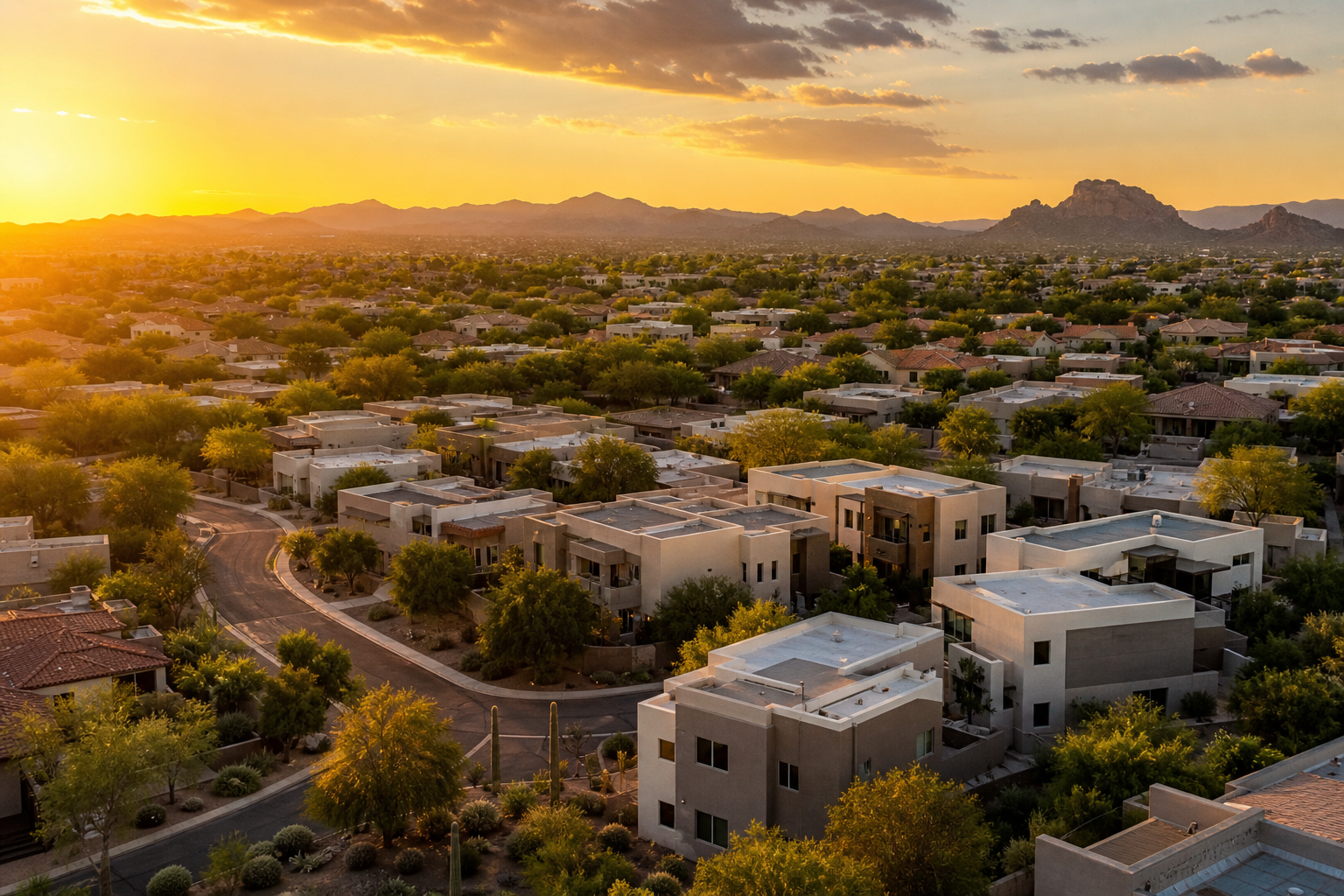
When Is the Best Time to Sell a Home in Mesa and the East Valley?
The short answer: in Mesa, Apache Junction, and the broader East Valley, listing between roughly March and early June tends to produce the fastest sales and the most competitive buyer activity.
The longer answer is that your neighborhood, your price point, and your home’s condition shape your outcome more than any single month on the calendar — and in a market like this one, that’s more true than usual.
What the 2026 Data Actually Shows
Every time a seller asks me when they should list, I start with the same honest answer: the calendar matters, but it’s one factor among several. Here’s where the national market sits right now, because it sets the backdrop for everything local.
The National Association of REALTORS® reported that existing home sales fell 2.4% month over month in June 2026, landing at an annualized 4.09 million, with inventory at 4.6 months. The national median price hit an all time high of $440,600, up 1.8% from a year earlier. Pending home sales fell 5.4% month over month, the first decline in five months.
Mortgage rates are the pressure point. The 30 year fixed averaged around 6.49% in June, the highest in nearly a year. NAR’s chief economist described the result as a tepid market, particularly difficult for first time buyers.
A lot of sellers read headlines like those and conclude they should wait. I’d push back on that. A cooler market doesn’t mean homes aren’t selling — it means buyers have choices, and they’re using them. Accurately priced, well presented homes are still moving. Overpriced ones sit, get reduced, and sell for less than they would have if they’d been priced correctly in week one. The gap between those two outcomes has widened, and that gap is where a good listing strategy earns its keep.
What This Means If You’re Selling in Mesa or Apache Junction
National trends set the backdrop, but the East Valley has its own rhythm. Here’s what I see on the ground.
March through early June is peak season
Listing activity peaks across the Phoenix metro in the spring. Families are timing moves around the school year, out of state buyers are in town, and buyer motivation is high. This is when you typically see the most competitive offers and the shortest days on market.
July and August are where we diverge from the rest of the country
Extreme heat genuinely reduces showing traffic. Buyers are still out there, but you’ll see longer days on market and more price reductions in this window. Not because the market is broken — because fewer people want to tour homes in 110 degree weather.
October through February brings the snowbirds
Fewer new listings, but still motivated buyers. In active adult and 55+ communities across Mesa — Leisure World, Sunland Springs Village, Sunland Village East — snowbird season brings a fresh wave of buyers starting in October. If your home fits that demographic, fall can be a surprisingly strong window.
January and February are the quiet ramp up
Inventory is lean, which can work in a seller’s favor, but the buyer pool is smaller too. If you’re ready in January, don’t wait for March on principle.
How Your Home Type and Neighborhood Shift the Equation
The calendar is a starting point, not the whole answer. Every home has a story, and that story shapes timing as much as the season does.
Entry level and mid range single family homes
Neighborhoods like Eastmark, Cadence at Gateway, Morrison Ranch, and Power Ranch attract buyers with school age children. For these homes, listing in March or April — so you can close and hand over keys before the school year ends — is often the strongest play. Buyers in this segment are motivated by calendar deadlines, and that urgency translates to cleaner offers.
Active adult and 55+ communities
Sunland Springs Village, Leisure World, Solera, and similar communities follow a different clock entirely. Snowbird buyers start arriving in October and are actively shopping through February. Listing in what the broader market considers the off season can put you in front of exactly the right buyers at exactly the right moment.
Luxury, foothill, and specialty properties
Homes in Las Sendas, Mountain Bridge, Red Mountain Ranch, and higher end Apache Junction — horse properties, larger lots, custom builds — follow more idiosyncratic timelines. The buyer pool is smaller and less calendar driven. For these homes, condition, photography, and marketing strategy matter more than April versus October. I’d rather list a luxury home in November with exceptional presentation than rush it to market in March before it’s ready.
If you’re listing in summer, plan for the heat
Schedule showings for early morning or evening. Make sure your HVAC has been serviced and is running perfectly — buyers notice within thirty seconds if the house isn’t cool, and a struggling air conditioner during the inspection period is a negotiation problem waiting to happen.
The upside of a summer listing is real, though: there’s less competition from other sellers. A well prepared home can still move quickly.
East Valley Seller Seasonality at a Glance
| Window | General Conditions | Best Fit For |
|---|---|---|
| March – early June | Peak buyer activity, shorter days on market, most competitive offers | Entry level, mid range, family oriented neighborhoods |
| July – August | Slower showing traffic from heat, longer days on market, more price reductions | Sellers who are prepared and priced right; less listing competition |
| October – February | Fewer listings, still motivated buyers, snowbird influx | Active adult and 55+ homes; well prepared homes that missed spring |
| January – February | Lean inventory, buyer motivation building ahead of spring | Sellers who want to get ahead of spring competition |
Days on market and median price figures for Mesa and the East Valley are updated monthly by the Arizona Regional Multiple Listing Service (ARMLS). Ask me for the current numbers in your specific neighborhood before setting a list date — submarket data is far more useful than any national average.
What Timing Affects Beyond Price
Timing your listing isn’t only about price and days on market. It affects the transaction itself, and Arizona has a few specifics worth knowing.
The Seller Property Disclosure Statement
In Arizona, sellers complete a Seller Property Disclosure Statement (SPDS), a standardized form from the Arizona Association of REALTORS® covering roof condition, HVAC history, past water intrusion, HOA details, and known material defects. You’ll typically complete it when you list or shortly after accepting an offer.
Buyers receive the SPDS early in escrow and have an inspection period — commonly around ten days, though the contract governs the exact timeline — to review it, run their own inspections, and decide whether to proceed or request repairs. In a market where buyers have options, they will walk if the disclosure raises red flags you haven’t addressed. Accurate, complete disclosure is your best protection, and failure to disclose known material facts creates liability that doesn’t go away after closing.
How closing works here
Arizona closings run through a title company acting as escrow agent, not a closing attorney as in some other states. The title company holds earnest money, orders the title search, coordinates with lenders and HOAs, prepares closing documents, and records the deed with the Maricopa County Recorder after funding.
One Arizona specific worth knowing: Arizona does not impose a state transfer tax on real property sales, unlike many other states. Recording fees are a fixed administrative charge set by the county, not negotiated between buyer and seller. Other categories — title insurance, escrow fees, HOA transfer fees, home warranties, repair credits — are negotiable and addressed in the purchase contract.
Those allocations don’t change based on the month you close. What changes is your negotiating leverage, which is stronger in a competitive spring market than in a slow August.
Broker compensation is fully negotiable in Arizona — there is no standard or legally mandated rate. The listing fee is set in your listing agreement, and any compensation a seller chooses to offer a buyer’s agent is optional and separately negotiable.
Frequently Asked Questions
March through early May is typically the strongest window for most homes here. Buyer activity peaks, days on market are shorter, and competition tends to produce cleaner offers. That said, selling fast without underpricing is about accurate pricing and strong presentation as much as timing. A well prepared home listed in October will outperform an overpriced one listed in April.
Historically, spring and early summer see stronger buyer competition and slightly shorter days on market, which supports pricing. But the gap between seasons is smaller than most sellers expect, and it’s narrower than the gap between a well priced home and an overpriced one. Ask for the current month by month data in your specific submarket rather than relying on a general rule.
If you’re ready in January or February, don’t wait. Inventory is lean in those months and early year buyers tend to be serious. If you’re choosing between September and March, March is generally stronger for most home types. But waiting for spring while your home sits unprepared costs you carrying costs and opportunity. I’d rather get the home ready now and list at the right moment.
It’s real. Extreme heat reduces showing traffic in July and August, buyers avoid midday tours, and some out of state buyers simply aren’t in Arizona. Summer sellers need early morning and evening showing availability, an HVAC system in perfect working order, and accurate pricing to account for the smaller buyer pool. The tradeoff is less competition from other listings.
The SPDS covers known material facts about the property: roof condition, HVAC, past water intrusion or leaks, foundation issues, past insurance claims, HOA details, environmental conditions, and more. Sellers typically complete it at listing or shortly after contract acceptance. Buyers receive it early in escrow and have a contractually defined inspection period to review it and conduct their own inspections.
The Bottom Line
The best time to sell your Mesa or East Valley home is when you’re prepared — with the right pricing, the right presentation, and a strategy built around your specific neighborhood and home type. Spring into early summer gives most sellers the most favorable conditions, but timing alone won’t make or break your outcome.
If you want to know what your home is worth right now and what days on market actually look like in your neighborhood, let’s run the numbers together.
Melissa Bailey
Melissa specializes in Mesa, Apache Junction, and the broader East Valley, working across dozens of neighborhoods from Las Sendas and Mountain Bridge to Eastmark, Cadence at Gateway, and Apache Junction’s foothill communities, helping sellers position their homes strategically in any market condition.
Equal Housing Opportunity. This article is provided for general informational purposes only and does not constitute legal, tax, or financial advice. Market conditions change frequently; verify current pricing, days on market data, and closing cost details with your attorney, tax advisor, lender, or escrow officer before making any real estate decision.
Categories
Recent Posts