What Makes Mesa Worth Exploring Beyond the Major Attractions
What Makes Mesa Worth Exploring Beyond the Major Attractions
Mesa is Arizona’s third largest city, with a population of more than 504,000, and it is easy to assume a city that size is all big box retail and freeway access. It isn’t.
Tucked between the well known neighborhoods and the headline developments are smaller pockets of local character, independent dining, and community driven spaces that don’t always show up on a tourist map. That’s exactly what makes living here interesting.
Mesa’s Local Character: What the Numbers Don’t Tell You
I’ve walked hundreds of buyers through this city, and the ones who fall in love with Mesa aren’t the ones who looked it up online first. They’re the ones who drove the streets, stopped somewhere unexpected, and realized this place has more texture than the listings suggest.
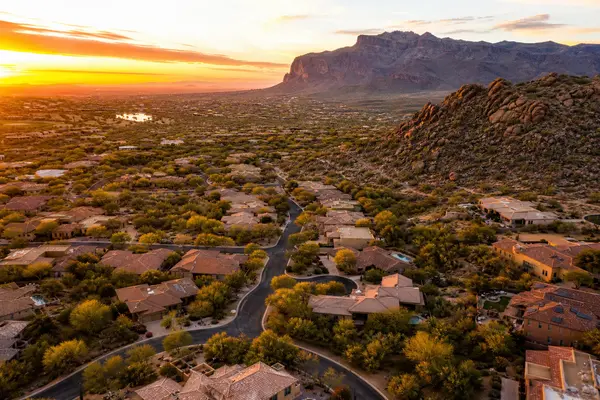
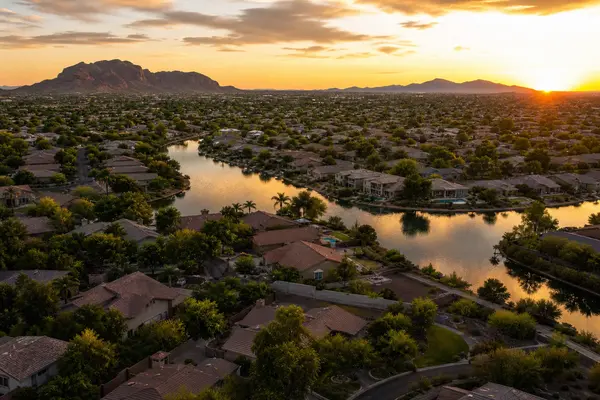
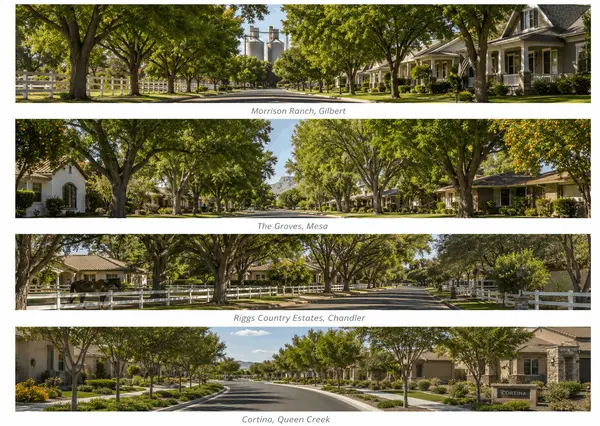
Mesa is the 35th largest city in the United States. That scale means genuine variety: historic downtown blocks, newer master planned communities on the eastern edge, and everything in between. The East Valley — Mesa, Apache Junction, Chandler, Gilbert, Tempe, and Queen Creek — is one of the most economically diversified corridors in the Phoenix metro.
What that means on the ground is that you can live in a neighborhood like Las Sendas or Mountain Bridge and still be within a short drive of independent coffee shops, local markets, and community gathering spots that feel nothing like a chain retail strip.
Downtown Mesa and the Historic Core
The stretch around Main Street in downtown Mesa is one of the most underestimated corridors in the East Valley. It has gone through real investment over the past several years, and in 2026 it reads as a genuine arts and dining district rather than a placeholder between suburbs. Local restaurants, galleries, and small retail have taken root in spaces that used to sit empty.
East Mesa and the Gateway Corridor
The eastern edge of Mesa, including communities like Eastmark, Cadence at Gateway, and Blossom Rock, has developed its own local identity. These aren’t just subdivisions. They’re planned with walkable town centers, community programming, and access to the broader East Valley amenities that make daily life genuinely convenient.
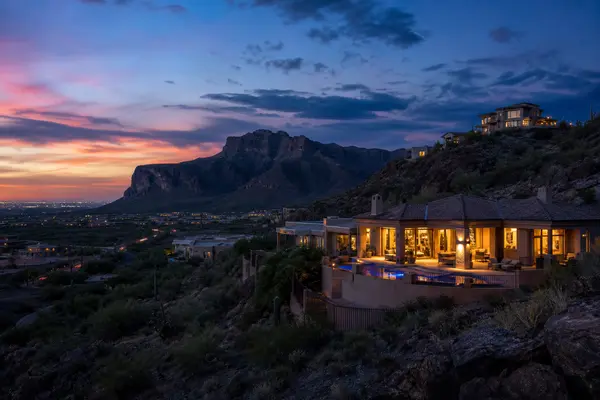
Apache Junction sits just beyond Mesa’s eastern boundary, in what I believe is one of the next places to watch in the Phoenix metro. It has its own municipal identity, and its position at the foot of the Superstition Mountains gives it a character that’s distinct from anywhere else in the East Valley. If you haven’t looked at what’s happening out there, it’s worth the drive.
| Area | Character | Notable for Buyers |
|---|---|---|
| Downtown Mesa | Historic arts and dining district | Walkability, proximity to light rail |
| East Mesa / Eastmark | Master planned, newer construction | Community amenities, Gateway access |
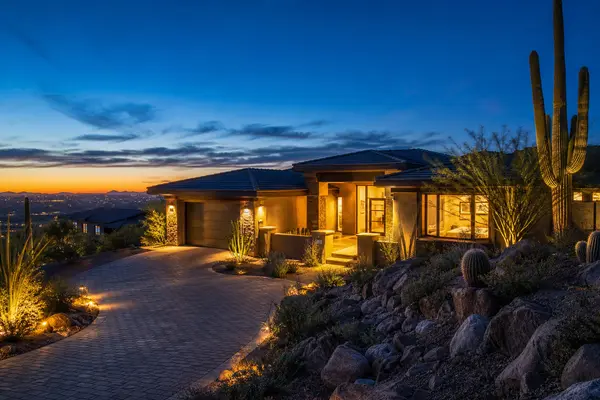
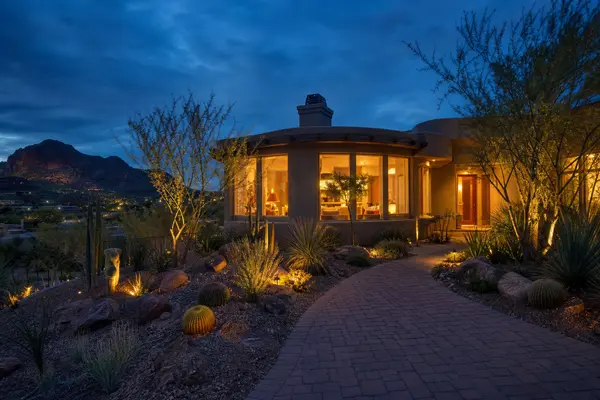
| Red Mountain Ranch / Las Sendas | Established, foothills character | Golf, mountain views, mature landscaping |
| Apache Junction | Edge of metro, Superstition foothills | Value, outdoor access, growth trajectory |
| Superstition Springs | Suburban, well connected | Retail access, established neighborhoods |
What This Means If You’re Buying in Mesa
Lifestyle and location aren’t just quality of life considerations. They’re pricing factors. A home near a walkable corridor, a developing commercial district, or a community with strong amenity investment tends to hold value differently than one that sits in isolation. That’s not a guarantee, it’s a pattern I’ve watched play out across this market over years of transactions.
When I work with buyers in Mesa and the East Valley, I’m not just showing them the house. I’m showing them the block, the drive to the things they actually do on weekends, and the direction the surrounding area is heading. Every home has a story, and so does every neighborhood.
A few paperwork details worth knowing
If you’re looking at older construction, federal law requires sellers of homes built before 1978 to provide a lead based paint disclosure and hazard pamphlet. It’s a standard part of the Arizona transaction, and something I walk every buyer and seller through during paperwork review.
For Mesa parcels, deeds and real estate documents are recorded through the Maricopa County Recorder, and the Maricopa County Assessor handles valuation and tax records. Apache Junction is split between Maricopa and Pinal counties depending on the parcel, so if you’re looking on the eastern edge, it’s worth confirming which county applies before you go looking for records.
Frequently Asked Questions
The Gateway corridor near Eastmark and Cadence at Gateway has seen significant retail and dining development in recent years. You’ll find a mix of national brands and local operators, with the newer master planned communities in East Mesa specifically designed to keep daily amenities close. The best way to get a current read is a ground level drive, which I’m happy to do with you as part of a buyer consultation.
Apache Junction is its own incorporated city, sitting in both Pinal and Maricopa counties on the eastern edge of the Phoenix metro. It borders Mesa but has its own municipal government, tax records, and planning processes. It’s one of the areas I watch closely for buyers looking for value and growth potential in the East Valley.
East Mesa neighborhoods like Eastmark and Cadence at Gateway are roughly 20 to 30 minutes from downtown Mesa depending on traffic, and similarly positioned relative to Chandler and Gilbert. Apache Junction adds another 10 to 15 minutes east. The East Valley’s freeway network makes most destinations within the metro accessible without a long commute.
In Arizona, the seller completes the Seller’s Property Disclosure Statement, not the title company or escrow officer. It’s the seller’s own disclosure of known material facts about the property. Your agent will guide you through what’s required, including the federal lead based paint disclosure for homes built before 1978, but the seller signs and delivers it.
The Bottom Line
Mesa has more local character than most people give it credit for, and the East Valley, including Apache Junction, is genuinely one of the more interesting parts of the Phoenix metro to watch right now. Whether you’re exploring neighborhoods for the first time or ready to make a move, knowing the area at street level makes a real difference.
I work this market every day with a team that covers Mesa, Apache Junction, and the broader East Valley. If you want a local’s read on a specific neighborhood, a pocket you’ve heard about, or what’s actually worth your time to go see, let’s talk it through.
Melissa Bailey
Melissa is a Mesa and East Valley real estate specialist working with buyers and sellers across Mesa, Apache Junction, and the surrounding East Valley communities, bringing street level market knowledge and a straightforward approach to every transaction.
Equal Housing Opportunity. This article is general information only and is not legal, tax, or financial advice. Confirm your specific transaction details, costs, and disclosure requirements with your attorney, tax advisor, lender, or escrow officer.
Categories
Recent Posts